Every now and then, I get messages from kind souls expressing deep sympathy and concern for my friend Huckleberry Hax. They seem convinced that I spend my days dragging him, sometimes quite literally, across Second Life, forcing him into situations he never asked for: haunted houses, mini golf, or a tour to find the best café.
And you know what? They’re absolutely right.
I do.
And I regret nothing.
Huck knew exactly what he was signing up for when he clicked “Accept Friendship” in 2015. That button wasn’t just a friendship request; it was a binding lifetime contract to join me in every weird, wonderful, and occasionally embarrassing adventure Second Life has to offer.
But this time, I decided to be nice. (It happens occasionally, usually by accident.) I took Huck somewhere he might actually enjoy: The Museum of Computing History. A place filled with blinking machines, cables, and things with names like PDP-11 and Altair 8800, all of which sound suspiciously like password suggestions.
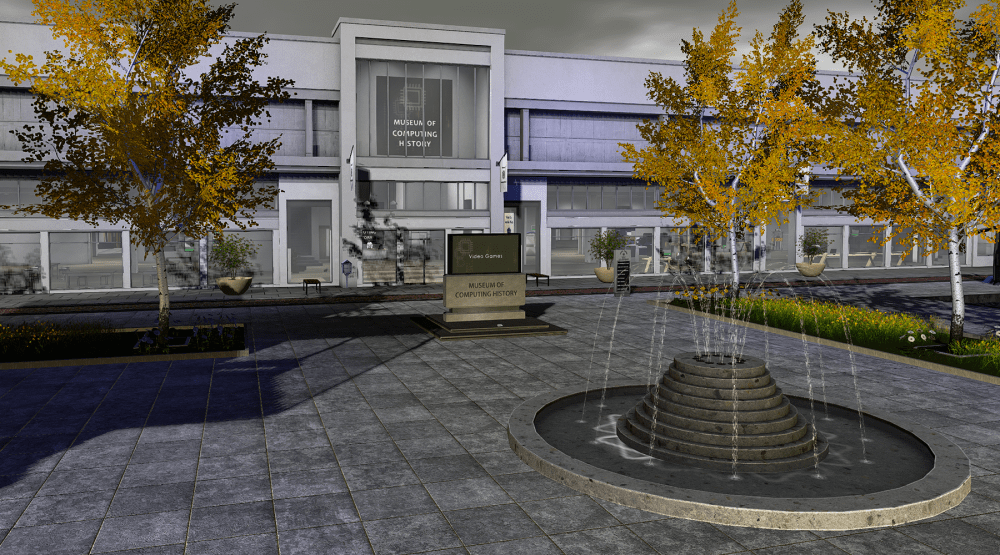
Nerd Heaven (or: a lot of very serious boxes)
The Museum of Computing History is exactly what you’d expect: a massive, beautifully built space dedicated to the evolution of computers. It’s got everything, from the prehistoric punch-card monsters to the sleek PCs of the early internet age, and even exhibits about gaming, AI, and telecommunications.
There’s so much information that my brain, a proud member of the “turn-it-off-and-on-again” school of computing, quietly zoned out halfway through the first exhibit. Huck, however, was in bliss. His avatar might have been standing still, but I swear he enjoyed it.
Meanwhile, I nodded along wisely, pretending to understand things like “semiconductors” and “FORTRAN.” I even murmured, “Ah, yes, the PDP-11, a classic,” at one point, which I’m fairly sure I learned from The IT Crowd.

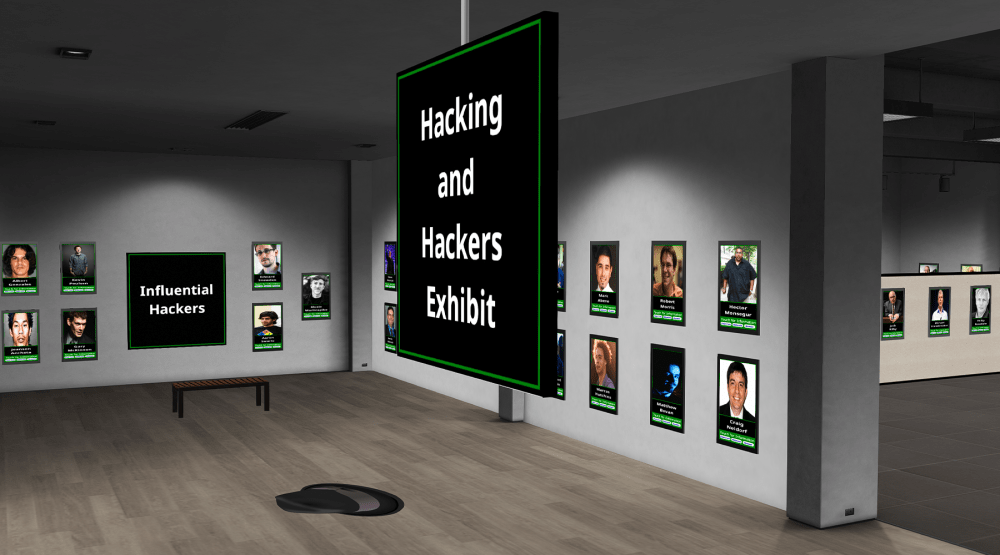
Highlights
🖥️ The Evolution of the Machine: From room-sized early computers to the beige boxes of the ’90s, every era is represented. If you’ve ever screamed at Windows 95, prepare for flashbacks.
🕹️ The Gaming Section: Consoles and classic games, a nostalgia overload for anyone who’s ever blown dust out of a cartridge.
📡 AI and Telecommunications: For those curious about how we got from “rotary phones” to “chatbots that help you flirt.” (You’re welcome.)
👨💻 Influential People: Displays about the pioneers who made all this possible, aka the folks who doomed us to spend eternity updating drivers.

In short
Huck loved it.
I learned nothing.
Everyone had a great time.
If you’re like me and your idea of computer maintenance is “close all the tabs and pray,” you might not spend hours there, but it’s still worth a visit. The sheer dedication and detail that went into creating this museum are impressive. It’s not just a collection of prims shaped like old computers; it’s a carefully curated digital archive celebrating the machines that made our virtual lives possible.
If you’re a nerd, geek, or simply someone who once shouted, “Why won’t this texture load?!” You’ll find it fascinating and educational.
It’s also a perfect place to park your more technologically-inclined friends while you sneak off to shop for shoes.


You could have been a bit more attentive whilst I relayed to you the history of Pong.
LikeLiked by 1 person
Oh, I paid attention! I just didn’t expect a full TED Talk on two lines and a dot.
LikeLiked by 1 person